
Why Lawn Stripes Sometimes Don’t Appear
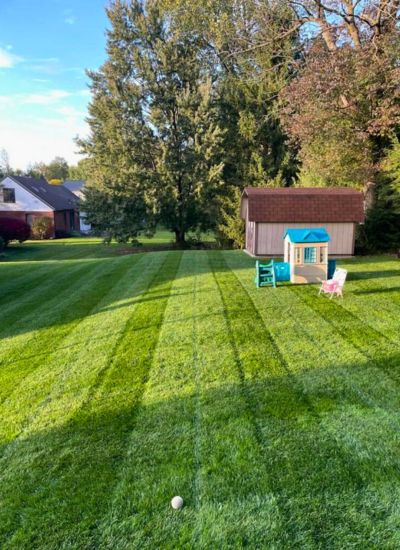
A freshly striped lawn has a clean, professional look that many homeowners admire. Those neat light and dark lines can make an ordinary yard stand out and give it the appearance of a well-maintained sports field or golf course. However, many people are surprised when they mow their grass and the stripes they expected simply do not show up. If this has happened to you, don’t worry. In most cases, there is a simple explanation.
Lawn striping is not just about mowing in straight lines. Several factors affect whether those attractive patterns become visible. Understanding these factors can help you achieve better results and enjoy a lawn that looks its best.
Lawn Stripes Are Created by Bent Grass
One of the biggest misconceptions is that lawn stripes come from cutting the grass at different heights. In reality, stripes are created by bending the grass blades in opposite directions. When the grass bends toward you, it reflects more sunlight and appears lighter. When it bends away from you, it reflects less light and appears darker.
If your mower does not bend the grass enough, the stripes will be difficult to see or may not appear at all. This is why many professional landscapers use lawn striping kits or rollers that gently press the grass down after mowing.
The Type of Grass Makes a Difference
Not every grass variety creates the same striping effect. Some grasses naturally bend more easily and reflect light better than others. Cool-season grasses, such as Kentucky bluegrass, perennial ryegrass, and fine fescue, usually produce the most noticeable stripes because they have longer, softer blades.
Warm-season grasses, including Bermuda grass and Zoysia grass, tend to grow shorter and stiffer. These grasses can still be striped, but the effect is often less dramatic. If you have a warm-season lawn, you may need a striping attachment to make the pattern more visible.
Grass Height Matters
Grass that is cut too short usually does not produce strong stripes. Short blades have less surface area to bend, making the light and dark effect much weaker.
Allowing your lawn to grow a little taller before mowing can improve striping results. Of course, you should still follow the recommended mowing height for your grass type to keep it healthy. A healthy lawn is much more likely to show attractive stripes than one that is stressed or cut too low.
Your Mower May Not Be Designed for Striping
Not all lawn mowers produce the same results. Lightweight push mowers often leave little to no striping because they do not apply enough pressure to bend the grass after it is cut.
Many professional mowing companies use commercial mowers equipped with rollers or dedicated striping kits. These accessories gently press the grass in the direction of travel, creating the contrast needed for visible stripes. If your mower consistently fails to create stripes, adding a striping attachment may solve the problem.
Wet or Dry Conditions Can Affect Results
The condition of your lawn on mowing day also plays an important role. Grass that is slightly dry often bends and stays in place more easily than grass that is overly wet. Wet grass can spring back upright after mowing, making the stripes fade quickly.
However, mowing when the lawn is extremely dry or suffering from drought stress is not ideal either. Healthy, well-watered grass generally produces the best-looking stripes because the blades remain flexible while still holding their position after being bent.
Dull Mower Blades Can Reduce the Effect
Sharp mower blades create clean cuts, while dull blades tear the grass instead of cutting it cleanly. Torn grass becomes stressed, develops brown tips, and may not stand upright properly after mowing.
Keeping your mower blades sharp improves the overall appearance of your lawn and helps create cleaner, more consistent striping patterns. Regular blade maintenance is a simple step that makes a noticeable difference.
Your Mowing Pattern Is Important
Even if you have the right equipment, your mowing pattern affects the final appearance. Lawn stripes become visible when you mow in straight, parallel lines while alternating directions with each pass.
If your lines are uneven or you frequently change direction, the pattern becomes difficult to see. Taking your time and using landmarks to keep each pass straight can greatly improve the finished look.
Changing your mowing direction every week is also a good habit. This prevents the grass from leaning permanently in one direction and encourages healthier growth while keeping your lawn looking fresh.
A Healthy Lawn Shows Better Stripe
Grass that is thin, patchy, or unhealthy often struggles to display clear striping patterns. Bare spots interrupt the visual effect, and weak grass blades may not bend consistently.
Regular watering, proper fertilization, weed control, and seasonal lawn care all contribute to thicker, healthier grass. As your lawn becomes denser, the striping effect naturally becomes more noticeable.
Patience Pays Off
If your lawn does not show stripes immediately, do not get discouraged. Sometimes it takes a few mowing sessions for the grass to develop a more consistent growth pattern.
Practicing straight mowing lines, maintaining healthy grass, and using the right equipment will improve your results over time.
Remember that every lawn is different. Factors such as grass type, weather, mowing height, and equipment all work together to determine how visible your stripes will be.
Create a Beautiful Striped Lawn Every Time
Lawn stripes are a beautiful finishing touch that can make any yard look professionally maintained. If your stripes are not appearing, the reason is usually related to your grass type, mowing height, mower setup, or the overall health of your lawn. By making a few adjustments and following good lawn care practices, you can increase your chances of achieving those crisp, eye-catching patterns.
If you are looking for quality lawn striping solutions and professional lawn equipment, S&B Lawn Systems offers products and expertise to help homeowners and lawn care professionals create impressive, well-maintained lawns with confidence. Click here for an overview of our Lawn Stryper models.